How Long Do Squishy Toys Last? Durability and Quality-Control Guide
Learn what controls squishy toy lifespan and how buyers evaluate PU foam, TPR, gel and filled squeeze toys for tears, leakage, recovery and surface wear.
Updated 2026-10-18 · 11 min read
Quick answer
There is no single lifespan for every squishy toy. How long it lasts depends on material, wall thickness, seams or plugs, shape geometry, squeeze frequency, storage, surface finish and production consistency. Buyers should define the likely failure modes and compare samples with one repeatable durability protocol.
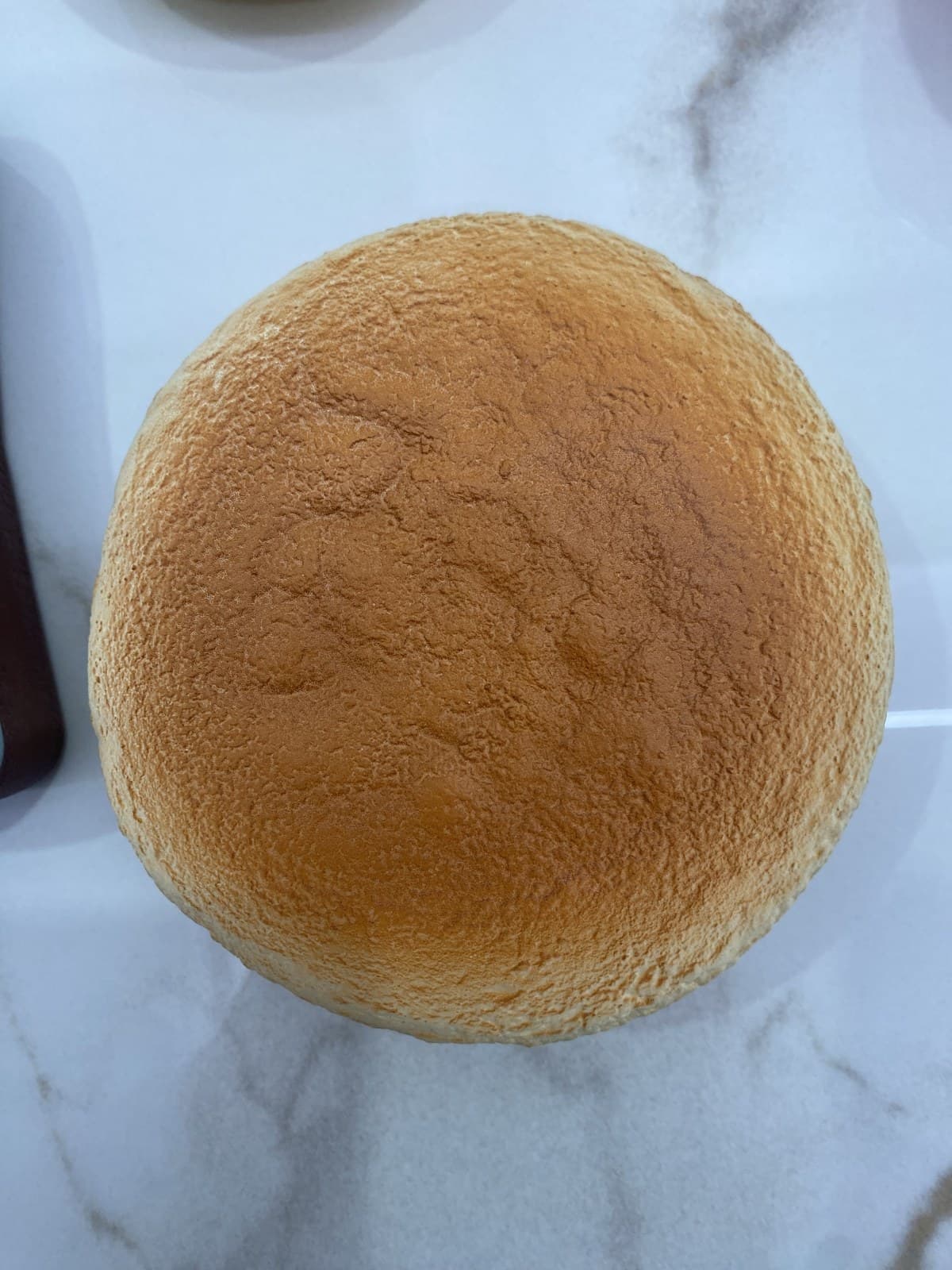
How long do squishy toys last?
A useful answer starts with the construction. A painted slow-rising PU foam toy, a solid TPR squeeze toy, a gel-filled ball and a sealed liquid toy have different wear patterns, so one calendar-life or squeeze-cycle claim cannot describe all of them accurately.
Frequent hard stretching, fingernails, heat, direct sunlight, dust, oils and unsuitable packaging can shorten service life. A well-designed product used as intended may remain functional much longer than a fragile shape or poorly sealed product, but no responsible supplier should promise that a squeeze toy will last forever.
- ✓Material and finished construction
- ✓Wall thickness, corners and thin projections
- ✓Seams, plugs, necks and attachments
- ✓Coating, print and sticky surface behavior
- ✓Squeeze frequency and stretching behavior
- ✓Storage temperature, sunlight and packaging
Start with the construction-specific failure modes
A slow-rising foam shape, a filled stress ball and a sticky gel-style squishy do not fail in the same way. Foam may tear at thin projections or printed surfaces, while a filled construction may be more sensitive at a plug, seam or neck. A useful test plan follows the actual design rather than applying one generic squeeze claim.
List the failures that would make the product unacceptable: leakage, skin rupture, permanent deformation, poor recovery, delamination, print loss, surface transfer, attachment failure or package damage. This list becomes the basis for sample review and inspection.
Translate recurring user complaints into sourcing checks
Recent Reddit discussions repeatedly mention filled squishies breaking early, foam shapes tearing, surfaces becoming sticky or dusty, and uncertainty about product quality when buying online. These comments are anecdotal rather than a measured defect rate, but they are useful for identifying the failure modes a buyer should ask a supplier to control.
Turn each concern into an observable sample check. Ask where a filled construction is sealed, which areas are thinnest, how the coating behaves after repeated handling, and what packaging prevents compression or surface transfer. A supplier answer should point to the exact construction and inspection method rather than rely on a general claim that the toy is durable.
- ✓Leakage or plug movement after repeated compression
- ✓Tears at corners, thin features and printed areas
- ✓Surface residue, tack change and dust pickup
- ✓Permanent dents or incomplete recovery
- ✓Attachment, seam and package condition
- ✓Batch traceability for complaint investigation
Design out fragile geometry before tooling
Very thin ears, tails, straps, corners and abrupt thickness changes can concentrate stress. Review the concept at the intended size and material, then thicken, round or reposition vulnerable details where the visual design allows.
For keychains and attached accessories, test the connection separately from the squeeze body. The product may survive compression while a loop, chain, eyelet or glued component fails under pulling or repeated movement.
Create a repeatable sample durability protocol
Record how the sample is compressed, stretched or squeezed, how often it is checked, the environmental condition and what counts as a failure. The number of cycles should come from the product risk, intended use and buyer requirement rather than an unsupported universal target.
Photograph the sample before and after the check. Record recovery time, visible damage, leakage, tack change, color transfer and print condition so revisions can be compared consistently.
- ✓Initial dimensions, weight and appearance
- ✓Compression or squeeze method and frequency
- ✓Recovery after a defined rest period
- ✓Inspection of seals, plugs, corners and thin features
- ✓Print, coating and surface condition
- ✓Attachment and package condition
Add care and storage instructions to reduce avoidable damage
Care guidance should match the approved material and surface. Buyers may need instructions about excessive stretching, sharp objects, cleaning method, direct sunlight, high temperature, dust and contact with inks or packaging materials that can transfer to a tacky surface.
Test the packed unit after realistic storage and shipment conditions. A product can pass an unpackaged squeeze check but still develop print transfer, deformation, tack change or surface marks inside an unsuitable bag or insert.
Connect production inspection to the approved sample
A durability result on one development sample does not control mass production by itself. Define incoming-material checks, first-piece confirmation, in-process observations and final sampling against a dated approved reference.
Critical construction points should be visible on the inspection checklist. When a process or material changes, decide whether the durability check must be repeated before the new revision is released.
Use complaints to improve the next production run
Ask for photos, batch information, use conditions and the location of any tear or leak. Grouping failures by design area and lot can reveal whether the issue is random damage, a geometry weakness, a seal problem, material variation or unsuitable instructions.
Keep retained samples and revision records long enough to support a useful comparison. Do not promise that a squeeze toy will last forever; state the intended use accurately and improve the controllable failure risks.
A PU quality record should separate foam, decoration and recovery
For a molded PU foam design, record body tears and thin-detail damage separately from face-print wear, coating cracks, transfer and incomplete recovery. A worn face and a torn body are different observations and may require different design or process changes.
Photograph the same locations before and after agreed repeated compression. Record the sample revision, number of samples, actual cycle count, compression method, inspection intervals and observed damage. Include the base, corners and fine details, then repeat the agreed recovery check. This is a proposed approval record, not a claim that LINHAO has already achieved a particular cycle count.
Do not translate a short squeeze demonstration into months of life or describe an ultra-soft version as tear-proof. The intended handling, final shape and measured results must support the wording. Keep a labeled approved reference for comparison with production.
Buyer FAQ
Questions buyers ask about this topic.
How long do squishy toys usually last?+
There is no reliable universal lifespan. Material, construction, shape, squeeze behavior, storage and production consistency all affect how long a squishy remains usable.
How many squeeze cycles should a squishy toy pass?+
There is no universal number for every construction. Set a documented protocol based on intended use, material, design risk and buyer requirements, then apply it consistently to approved and production samples.
Are TPR or rubber squeeze toys more durable than PU foam squishies?+
Neither material is automatically more durable in every design. Solid TPR can avoid foam coating wear, while seams, thin walls, plugs, sharp geometry or unsuitable formulation can still create failures.
Why do filled squeeze toys often fail near a seal?+
Seams, plugs and neck areas can concentrate material and process risk. Their geometry, bonding or sealing method and production consistency need focused review.
Can shape design affect slow-rising squishy durability?+
Yes. Thin projections, sharp transitions and large thickness differences can create tear or recovery risks, so durability should be considered before the mold is finalized.
What should a buyer ask after seeing online breakage complaints?+
Ask the supplier to identify the exact construction, likely failure points, sample test method, acceptance criteria and production inspection controls. Online comments can reveal risks, but they do not replace product-specific evidence.
Is durability testing the same as toy safety testing?+
No. Internal durability checks help control performance and foreseeable failures, while applicable safety and compliance testing is determined separately for the exact product, age grade and market.
Does a video prove that a PU squishy is durable?+
A video can show the condition and behavior of the sample in that demonstration. It cannot establish a lifetime or cycle rating without a documented test method, sample identification and results.