Unscented PU Squishy Toys: Softness, Slow Rise and Odor Approval
Source soft, slow-rising PU squishy toys with no added fragrance. Compare packed-sample odor, hand feel, recovery, surface finish and custom manufacturing terms.
Updated 2026-10-18 · 10 min read
Quick answer
For an unscented, soft, slow-rising PU squishy, specify no added fragrance and approve five separate properties: packed-product odor, squeeze resistance, recovery time, surface finish and durability. Unscented does not guarantee zero smell, and slow recovery does not prove softness. Use the finished physical sample and a documented method before publishing performance claims.
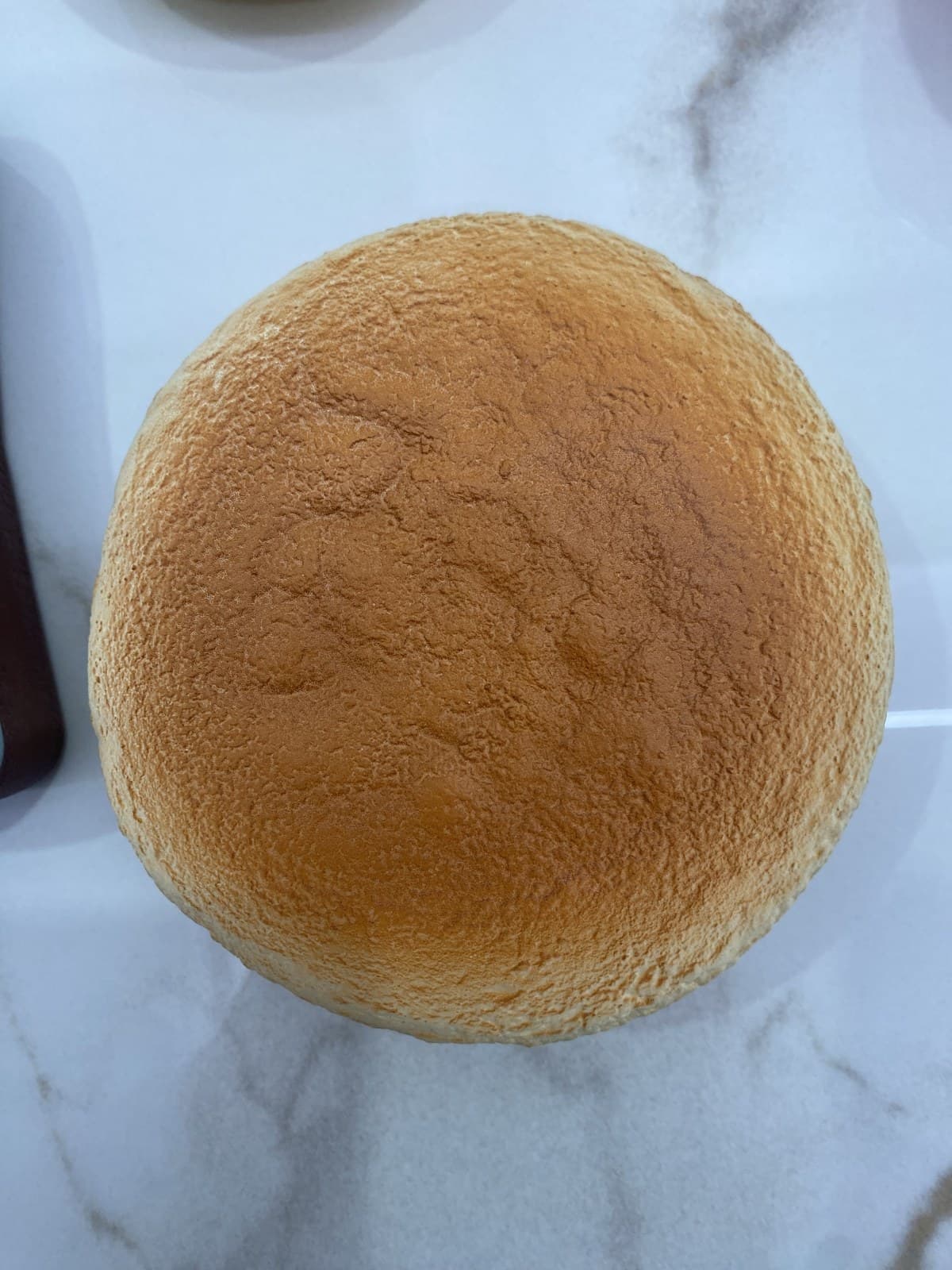
A real user question: when the scent is too strong
A January 15, 2026 r/fidgettoys discussion described a foam slow-rising squishy whose fragrance felt overwhelming and lingered on hands. Replies included different scent preferences. That disagreement is a practical reason to approve intensity with the intended audience rather than assume everyone wants a strong food fragrance.
This is a consumer discussion used to frame a sourcing question, not a customer testimonial for LINHAO or a validated cleaning method. This guide focuses on choosing and approving scent before manufacture.
Can a slow-rising squishy be unscented, soft and durable?
A September 2025 r/fidgettoys thread asks for a slow-rising toy without overwhelming scent that also lasts; a reply in April 2026 repeats the scent concern. A separate September 2026 shopper describes buying similar-looking butter squishies that differed in feel or odor. These are individual experiences, not evidence of market growth or verified material composition.
For a custom PU order, treat the combined request as a sample brief. Ask for no added fragrance, provide a physical softness reference, and agree how recovery and wear will be assessed. Approve these properties on the same decorated, packed version rather than combining the best features of different samples.
- ✓Fragrance: no added fragrance, with opening odor and hand transfer reviewed
- ✓Softness: physical squeeze reference at the intended size
- ✓Recovery: seconds recorded only with an agreed method and endpoint
- ✓Finish: approved gloss or matte appearance, surface feel and print condition
- ✓Durability: agreed handling protocol and documented observations, not an assumed lifetime
Actual PU food and character cases: appearance is separate from scent
LINHAO's actual PU food examples show molded bread texture, strawberry and butter-stick directions; the PU character case shows detailed facial and clothing decoration. These cases support discussions of shape and finish, but their photographs do not prove a fragrance formula or intensity.
PU projects can customize character, food, animal and other shapes, hardness or softness, and scent. State the desired fragrance or request no added fragrance, then review the finished packed sample. TPR options use existing molds with logo, color, hand feel and packaging customization; do not assume PU scent capability automatically applies to a TPR order.
Separate fragrance, material odor and safety
Consumers often use the word smell for several different experiences: an intentionally added fragrance, the normal odor of a newly manufactured material, ink or adhesive odor, or odor concentrated inside a sealed package. These should be investigated separately because they can have different sources and controls.
Odor alone does not prove that a product is safe or unsafe. It is still an important acceptance signal, especially when a product is held near the face or handled for long periods. Safety decisions should rely on the exact formulation, finished-product construction and applicable testing rather than a sensory judgment alone.
Write an actionable scent requirement
If no fragrance should be added, state no added fragrance rather than assuming that unscented means absolutely odorless. Materials and packaging can retain a temporary production odor even when no fragrance is used.
For a scented product, define the fragrance direction and acceptable strength. A verbal request such as strong bread smell or light peach smell is subjective, so approve a physical reference and record the sample revision used for production.
- ✓No added fragrance or intentional scent
- ✓Target fragrance family and intensity
- ✓Markets, intended age grade and use scenario
- ✓Acceptable odor immediately after opening
- ✓Whether odor may transfer to hands or nearby packaging
- ✓Required ingredient, formulation or testing documentation
Evaluate the product after sealed storage
An open sample on a factory desk may smell different from a retail unit that has been sealed for weeks. Review the product in its proposed inner bag and retail package, then record the opening condition, odor intensity, surface feel and any transfer to hands or printed components.
Use consistent evaluation conditions and several reviewers when possible. The goal is not to create a universal laboratory odor score, but to reduce the risk that one person's tolerance becomes the entire approval standard.
Control changes that can alter odor
A change in compound, colorant, coating, ink, adhesive, fragrance level or inner bag can change the opening experience. Treat these as controlled product revisions and decide which changes require a new retained sample or verification check.
Ventilation time and packing schedule can also affect initial odor, but airing out a product is not a substitute for correct formulation, process control or compliance review. The approved product should represent the actual packed unit buyers will receive.
Prepare consumer instructions and complaint handling
If the product has an intentional fragrance, describe it accurately on the listing and package so sensitive consumers can make an informed choice. Avoid medical, therapeutic or safety claims that are not supported.
Keep batch, material and packaging records so an odor complaint can be traced. A useful investigation compares the returned unit, retained sample, production lot, storage conditions and any recent material or package change.
Request a custom PU sample from LINHAO
Send your artwork, dimensions, quantity by shape and color, and a reference for the hand feel. State no added fragrance clearly, along with the preferred surface appearance and packaging. LINHAO supports custom PU food, animal and character shapes, softness, colors, artwork and packaging; the final combination is confirmed by sampling.
MOQ is 500 pieces per shape and 500 pieces per color. The process is artwork review, 3D rendering, sampling and sample shipment for approval. Sampling takes 12–15 days and bulk production takes 25–30 days; revisions, sample delivery, approval and freight need separate scheduling.
Buyer FAQ
Questions buyers ask about this topic.
What are LINHAO's MOQ and sampling terms for custom PU?+
MOQ is 500 pieces per shape and 500 pieces per color. Customer artwork is developed into a 3D rendering, followed by sampling and sample shipment for approval. Sampling takes 12–15 days and bulk production takes 25–30 days; delivery time is separate.
Does unscented mean a squishy toy has no smell at all?+
Not necessarily. No added fragrance is a clearer specification. Base materials, printing and sealed packaging can still create an initial odor that should be evaluated on the finished packed sample.
Does a strong smell prove a squishy toy is unsafe?+
Odor alone cannot establish compliance or toxicity. Treat a strong or unpleasant odor as a quality and consumer-acceptance concern, then review the exact materials, formulation, finished product and applicable testing.
Can custom squishy toys use a branded fragrance?+
A fragrance direction may be developed, but intensity, compatibility, labeling and market requirements should be reviewed on the exact product before production.
When should scent be approved?+
Approve scent on the finished product in its intended inner and retail packaging after representative sealed storage, not only on an open material sample.
Can I order soft, slow-rising PU squishies with no added fragrance?+
Yes, you can request that combination for a custom PU project. Confirm the exact softness, recovery and opening odor on a finished packed sample. No added fragrance is not a promise of zero material or packaging odor.