Fast-Rising vs Slow-Rising Squishy Toys: A Buyer Specification Guide
Compare fast-rising and slow-rising squishy toys, then define recovery speed with a repeatable sample method covering compression, feel, shape, coating and packaging.
Updated 2026-10-18 · 9 min read
Quick answer
Fast-rising and slow-rising squishies serve different sensory and retail positions; neither is automatically higher quality. Choose the target experience first, then approve a repeatable recovery range using the same sample condition, compression method, endpoint and packed-storage check.
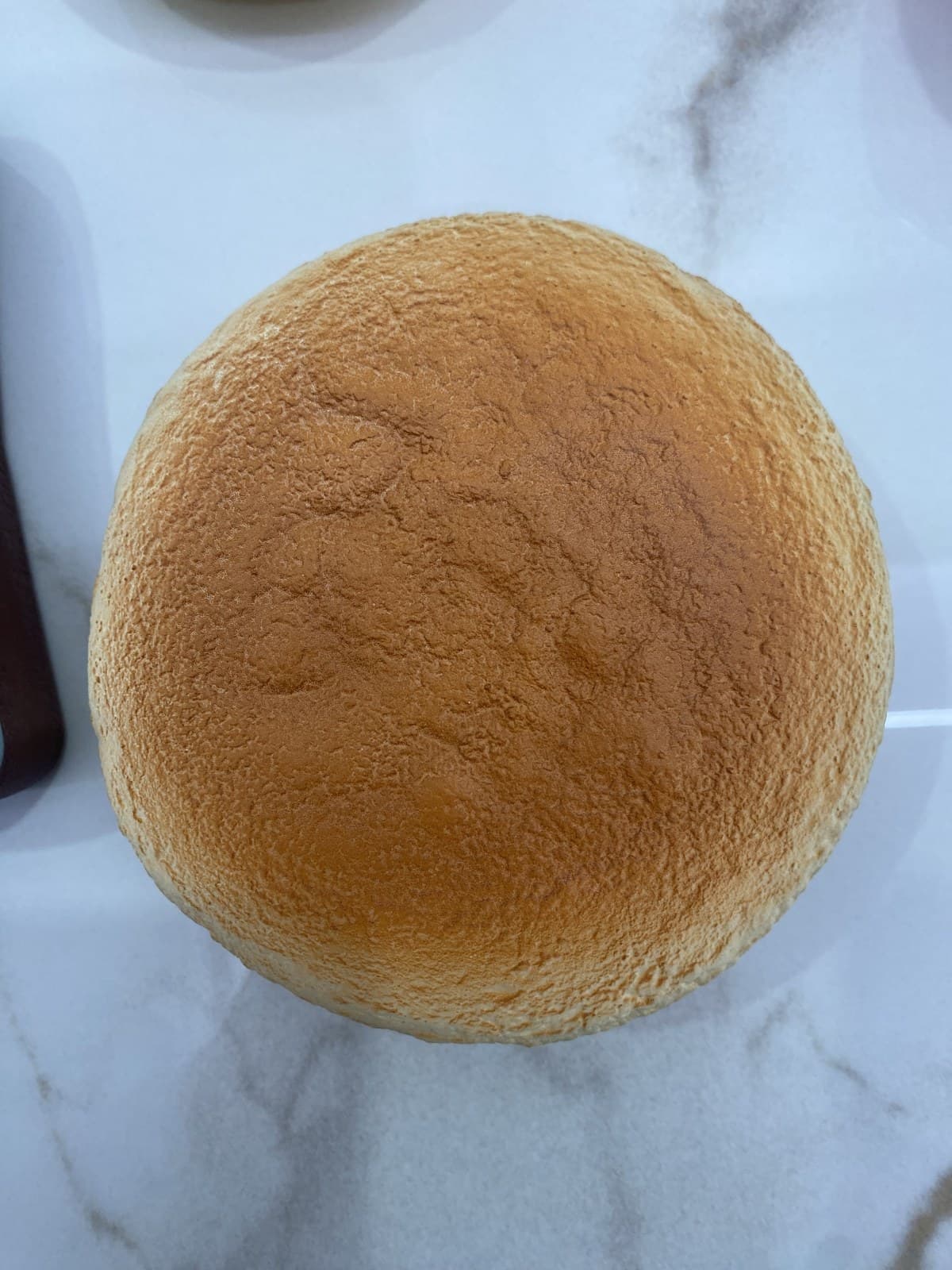
Choose fast or slow recovery from the intended experience
A May 2026 Reddit discussion shows that some users actively prefer a firmer, faster-rising squeeze instead of an extremely soft product that stays compressed for a long time. Other buyers still want the dramatic visual recovery associated with slow-rising PU foam. The sourcing decision should follow the intended grip, use frequency, retail demonstration and target hand feel.
Fast recovery can support repeated squeezing and a springier feel, while slow recovery can emphasize softness and a visible transformation. Neither description is complete by itself: initial resistance, compression depth, surface drag, shape thickness and the final stage of recovery all affect the experience.
Compare fast-rise and slow-rise samples with one scorecard
Approve both directions under the same conditioning and compression method. Record first-touch resistance, effort to reach the target compression, recovery range, incomplete recovery and how quickly the product is ready for another full squeeze.
Keep a labeled physical reference for the selected direction. Words such as satisfying, firm, soft or springy are useful feedback, but the factory also needs a repeatable test range and a finished-shape sample.
- ✓Initial resistance and grip comfort
- ✓Compression depth reached with the approved method
- ✓Time to the agreed recovery endpoint
- ✓Readiness for repeated squeezing
- ✓Permanent dents, leaning or incomplete recovery
- ✓Behavior after representative packed storage
Use a repeatable recovery-time method
Condition comparison samples in the same environment, compress the same area to a defined depth for a defined time, release without stretching, and measure to an agreed endpoint. Record the method with the result so another team can repeat it.
A practical endpoint may be when the sample returns close to its approved outline rather than waiting for an invisible final change. Film the test from a fixed position and include a timer when remote approval is required.
- ✓Sample temperature and conditioning time
- ✓Compression location, depth and hold time
- ✓Release method and recovery endpoint
- ✓Target range rather than one perfect second
- ✓Permanent dents, leaning or incomplete recovery
- ✓Result before and after representative packed storage
Shape and thickness change the result
A thick rounded body may recover differently from thin ears, tails or layered features. Compare the main body and vulnerable details separately, especially when the design has large thickness changes.
If exact recovery behavior is commercially important, approve it after the final size and geometry are fixed. A material sample or a different mold cannot reliably predict every part of the finished shape.
Balance slow rise with coating and durability
Foam formulation, skin, coating and printed decoration interact. Pushing only for a longer rise may affect shape definition, tear resistance, surface feel or how decoration behaves during repeated compression.
Review recovery together with thin-area durability, paint flex, surface transfer and appearance after repeated handling. The best retail specification balances the desired sensory effect with consistent production performance.
Approve the packed product, not only an open sample
Compression during sealing, cartons, heat and storage time can temporarily or permanently change the shape. Repeat the recovery check after representative packaging and transport review.
Define how long a newly opened product may need to regain its intended form and only state a recovery claim that the packed production item can support.
What a useful PU recovery-time record includes
Use a continuous, normal-speed video showing the original shape, compression, release and return to the agreed outline. Keep the entire toy in view with a timer. A slow-motion clip, edited loop or photograph cannot establish recovery seconds.
Record each observation rather than selecting only the most dramatic result. Label the finished sample, size, decoration revision, room conditions, compression depth, hold time, rest between trials and recovery endpoint. For a proposed range, record the observed range and identify the tested samples; do not turn it into a universal specification for every PU product.
Before publishing a seconds claim, repeat the agreed check on the packed version after representative storage. Until measurements are available, describe the requested slow-rise effect and state that recovery is confirmed during sample approval.
- ✓Sample ID and revision: record
- ✓Compression depth and hold time: agree before comparison
- ✓Recovery endpoint: define before timing
- ✓Individual results and observed range: record after testing
- ✓Packed-sample comparison: pending until tested
Buyer FAQ
Questions buyers ask about this topic.
Are fast-rising squishies better than slow-rising squishies?+
No. Fast recovery can suit repeated squeezing and a springier feel, while slow recovery can suit a softer visual experience. Quality means consistently meeting the approved target for the intended product.
How many seconds should a slow-rising squishy take to recover?+
There is no universal ideal. Choose a target range from approved samples using one documented compression and measurement method.
Why does the same foam recover differently in another shape?+
Wall thickness, volume, geometry, skin and decoration can change compression and airflow behavior, so the finished molded shape must be approved.
Can recovery time change after shipping?+
Yes. Packed pressure, temperature and storage time may affect the first recovery cycles. Test the finished product in representative packaging before approving claims.
Is a longer recovery time always higher quality?+
No. Quality means meeting the approved sensory, appearance, durability and safety requirements consistently. Extremely slow recovery may not suit every product or buyer.
Does a slow-motion squeeze video prove a slow recovery time?+
No. Measure a continuous normal-speed recording with a defined release point and recovery endpoint. Use the exact finished sample and report the test conditions with any seconds claim.